

Green Vines and Honest Plates in Vipava & Brda

Join us as we explore sustainable wine and farm‑to‑table experiences in Slovenia’s Vipava Valley and Goriška Brda, where flysch terraces, the burja wind, and thoughtful growers shape expressive bottles, seasonal menus, and warm tables. Discover practices, places, and people proving deliciousness and responsibility can grow together, one mindful sip and plate at a time.

Land, Wind, and Soil in Conversation

In Vipava and Brda, steep flysch slopes, hand‑built terraces, and the restless burja wind shape vineyards that practically demand careful farming. Cover crops, hedgerows, and mixed orchards keep soils alive, while goat paths, stone walls, and rain‑soaked mists remind visitors that sustainability here begins with listening to the landscape, season after season, generation after generation.

Native Yeasts and Honest Ferments

Fermentation often begins without inoculation, harnessing ambient cultures nurtured by clean vineyards and tidy presses. This approach captures subtle hillside differences, from breezier upper plots to warmer hollows near orchards, producing layers that reward time, conversation, and food, while reducing packaging waste through stability that favors refillable bottles and low‑intervention racking.

Clay, Concrete, and Neutral Oak

Large casks and amphorae breathe softly, allowing tannins to resolve without masking fruit. Winemakers select vessels for texture rather than flavor, lengthening élevage to avoid fining and filtration. The result is clarity in the glass and less cellar waste, because patience removes the need for single‑use additives, pads, and complicated corrective steps.

Clarity Without Heavy Additions

Sulfur is used sparingly, cleanliness is uncompromising, and oxygen management is thoughtful, encouraging bottles that travel well yet feel alive. Many families bottle by the moon, label by hand, and reuse materials, proving that meticulous craft can coexist with thrift, humility, and a neighborly sense of responsibility for every shared hillside.

Grapes That Carry Memory

Rebula threads across borders while Zelen and Pinela whisper distinctly of Vipava’s valleys. International varieties play supporting roles, but heritage leads, championed by growers who rescued old rows from neglect. Each bottle feels like a postcard from a particular slope, speaking of stone dust, cherry blossoms, orchard shade, and long Sunday lunches.

Rebula’s Bright Spine

Often grown on sunlit terraces, Rebula offers citrus zest, golden apples, and saline edges that love seafood, young cheeses, and garden herbs. Skins can rest with juice to build structure, yet freshness remains, reflecting meticulous farming that prizes canopy balance, thoughtful shade, and harvest windows chosen with clouds, winds, and conversations in mind.
Zelen and Pinela Reawakened

Once nearly forgotten, these local whites now glow with pear, meadow flowers, and a whisper of herbs. Families grafted, replanted, and shared cuttings, turning private determination into communal revival. The result is identity in the glass and renewed pride at markets, festivals, and simple kitchens where neighbors discuss pruning, recipes, and the coming rain.

Skin-Contact Stories with Dinner

Amber hues appear when white grapes spend time with skins, bringing tea leaves, dried citrus, and delicate tannin. Poured with polenta, roasted squash, or foraged mushrooms, these wines invite slower bites, warmer conversations, and honest curiosity about farming choices, reminding guests that patience, place, and seasonal cooking thrive best when enjoyed together.
Plates That Honor the Garden

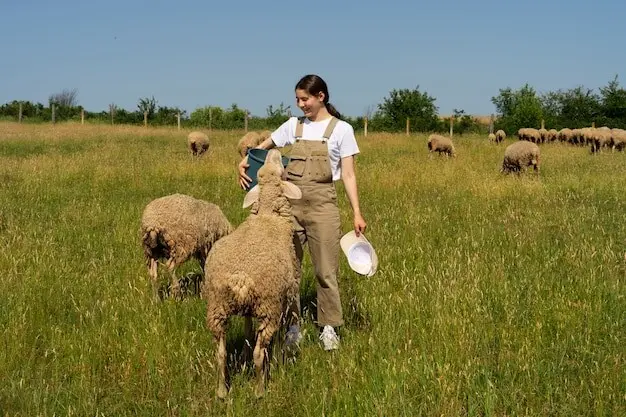
Farm tables groan with frtalja omelets, barley stews, herb‑crusted trout, and cherries from Brda’s hills. Menus change with the week, guided by what the soil offers and what families preserve. You taste proximity: eggs from behind the barn, olive oil from the next ridge, and bread leavened slowly in a grandmother’s favorite clay bowl.

Slow Paths for Thirsty Travelers

Move by bicycle, foot, or shared shuttle to feel distance shrink and stories lengthen. Trails link villages, viewpoints, orchards, and cellars, inviting spontaneous tastings and picnic pauses. Book ahead, carry a reusable bottle, and keep laughter gentle among vines where families work; hospitality deepens when curiosity is matched by respect and time.

People, Promises, and the Next Harvest

A Dawn in the Cellar

Steam coils above the press while roosters crow and a radio hums quietly. Someone cracks walnuts, another adjusts hoses, and a child counts buckets with serious pride. These small rituals reveal how care is inherited, turning hard work into continuity, resilience, and bottles that taste like responsibility learned patiently, morning after morning.

Grandmother’s Frtalja and Wild Asparagus

In spring, careful hands beat eggs with herbs, fold in foraged shoots, and cook slowly in olive oil. A carafe of Rebula sits nearby, refreshing voices gathered around the stove. The dish disappears quickly, but its lesson remains: use what the season offers, share widely, and let gratitude ground every delicious decision.

Join the Table, Shape the Future

Tell us which vineyards, markets, or kitchens moved you, ask for pairing advice, or request routes that match your pace. Subscribe for seasonal guides, reply with your own low‑waste tips, and bring friends next time. Real change grows through conversation, shared meals, and returning to places that remember your name kindly.
Pirasanodavovarolentozento
Privacy Overview

This website uses cookies so that we can provide you with the best user experience possible. Cookie information is stored in your browser and performs functions such as recognising you when you return to our website and helping our team to understand which sections of the website you find most interesting and useful.